
Things to Do in Málaga
Complete guide to activities and sights: the Alcazaba, Picasso Museum, Caminito del Rey, Ronda, the white villages, family activities, and day trips.
What to Do in Málaga?
Málaga and the Costa del Sol perfectly combine Andalusian history, modern city life, spectacular nature, and beach holidays. The main attractions are the Alcazaba (a 1,000-year-old Moorish fortress), the Picasso Museum (located in Pablo Picasso's birthplace), the Caminito del Rey (the world's most spectacular walkway), Ronda (a dramatic city on a 120-meter cliff), the white villages (Mijas, Frigiliana, Nerja), Malagueta beach, and the Muelle Uno harbour (a modern shopping and dining promenade).
First-time visitors should spend 1 day exploring Málaga city center (Alcazaba, Picasso Museum, Cathedral, market), 1 day at the Caminito del Rey (full-day trip), 1 day visiting Ronda + the white villages (full-day trip), and 1 day at the beach (Nerja or Marbella). You need at least 4-5 days to see most of it without rushing.
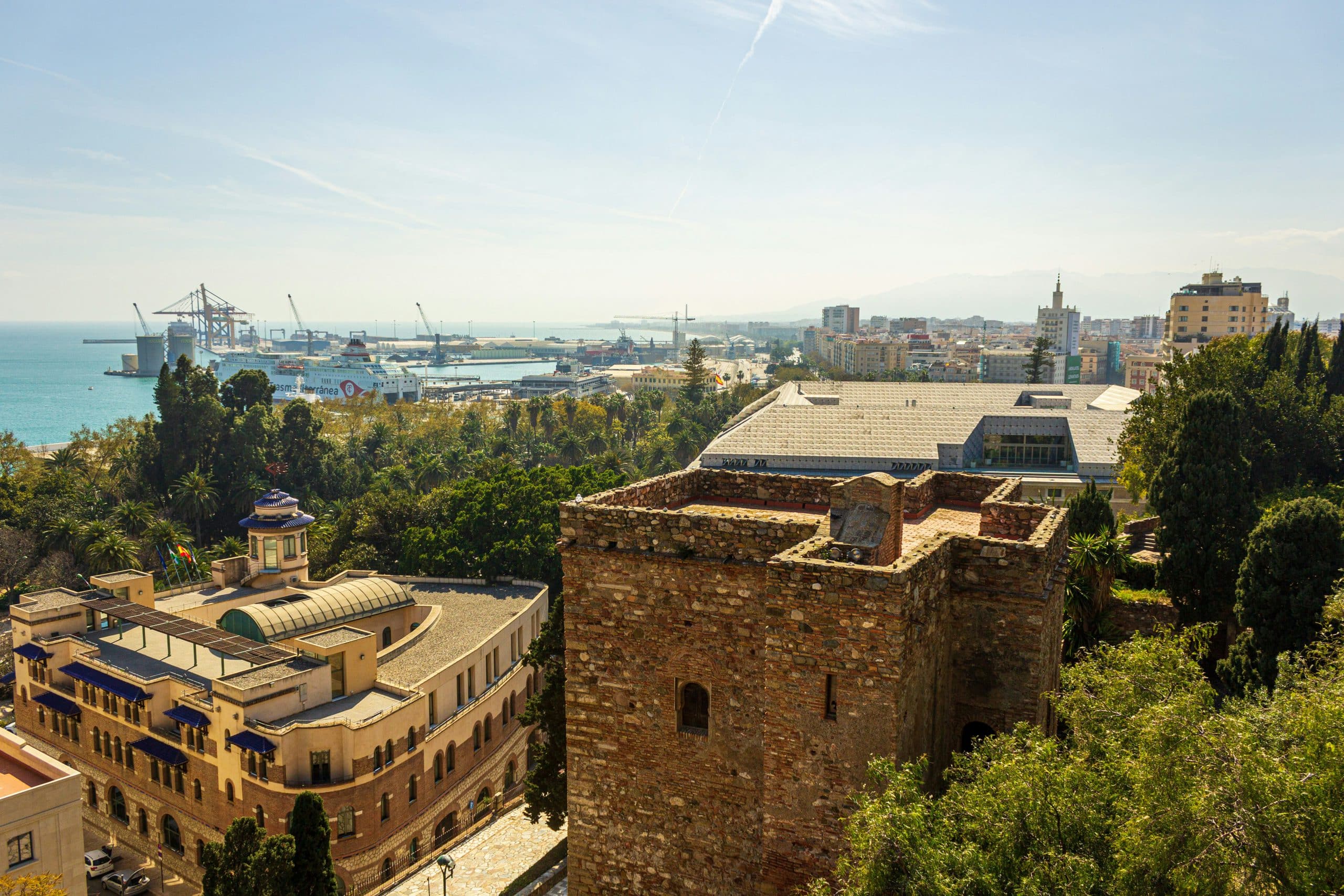
Málaga city with the Alcazaba fortress – Andalusia's pearl on the Costa del Sol
Alcazaba: Málaga's Moorish Fortress
The Alcazaba is Málaga's most iconic landmark – a 1,000-year-old Moorish palace-fortress built by Muslim rulers in the 8th century. It features double defensive walls, beautiful Andalusian gardens, Roman ruins, and panoramic views of Málaga city and the Mediterranean. The fortress is located at the foot of Mount Gibralfaro (130 meters above sea level) and is one of Spain's best-preserved Moorish fortresses, second only to the Alhambra in Granada.
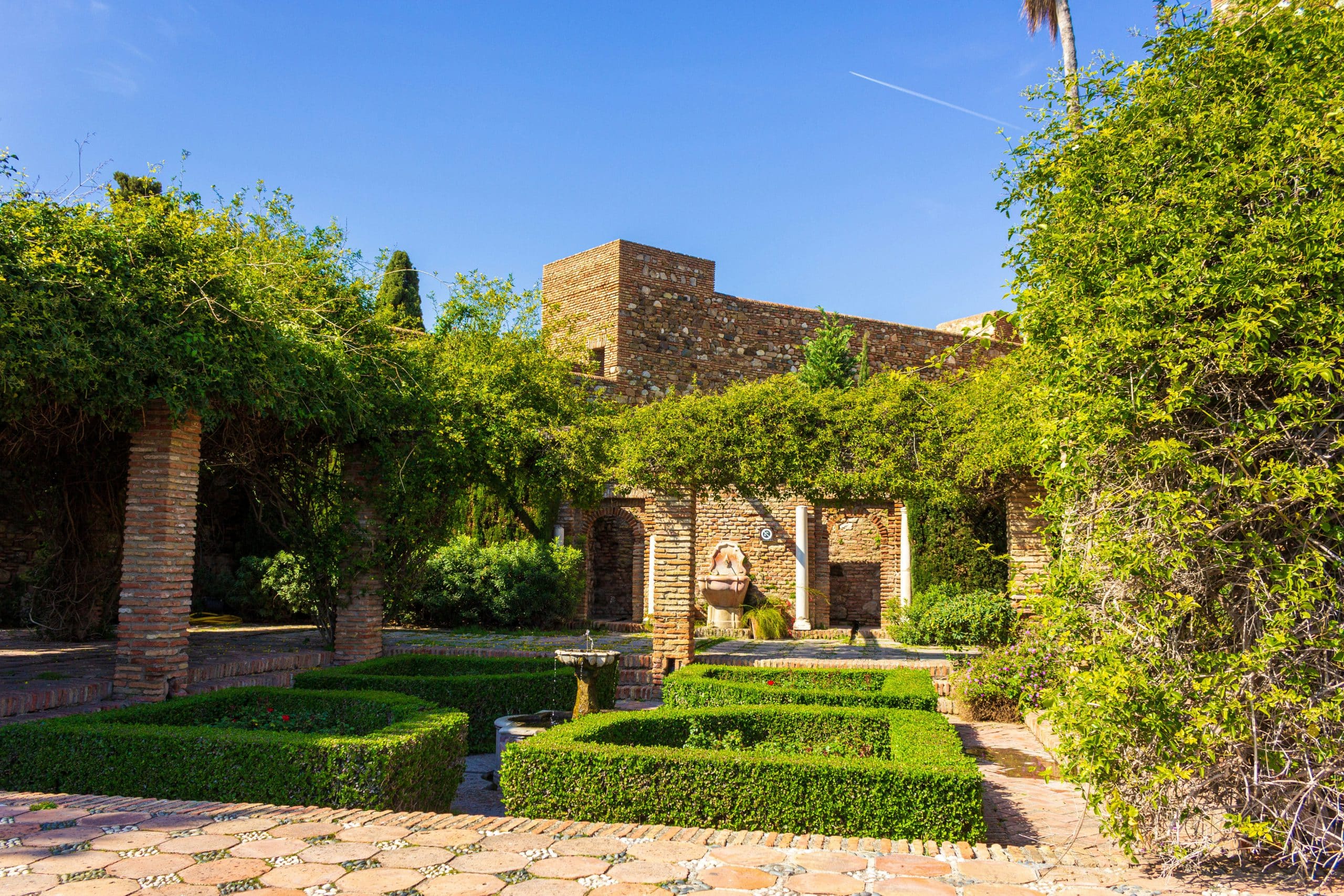
The Alcazaba fortress – 1,000-year-old Moorish architecture with spectacular views
Practical Info: Alcazaba
- Opening Hours: 09:00-18:00 (winter, Nov-Mar), 09:00-20:00 (summer, Apr-Oct)
- Entry: Buy tickets for the Alcazaba here. Sundays free after 14:00
- Time Needed: 1-1.5 hours (Alcazaba only), 2-3 hours (including Gibralfaro)
- Best Time to Visit: Morning (09:00-11:00) or late afternoon (17:00-19:00) to avoid the heat and crowds. Sunset from Gibralfaro is magical.
- How to get there: A 10-minute walk from the center (Plaza de la Constitución), follow signs to "Alcazaba"
- Tips: Combine it with Gibralfaro Castle (a 15-minute uphill walk, or take bus 35 from the center). The audioguide is €2 extra and highly recommended. Bring water and sunscreen.
Why visit: This is Málaga's most important historical attraction and an absolute must-visit. Beautiful Moorish gardens, spectacular views, and 1,000 years of history. Combine it with Gibralfaro Castle for the complete experience. Free on Sundays after 14:00!
Picasso Museum: Spain's Most Visited Art Museum
Museo Picasso Málaga is located in the Buenavista Palace (a 16th-century Renaissance building) and exhibits 285 works by Pablo Picasso (1881-1973), who was born in Málaga. The museum opened in 2003 and is now Spain's most visited art museum after the Prado and Reina Sofía. The collection includes paintings, sculptures, ceramics, and sketches from all of Picasso's creative periods – his Blue Period, Rose Period, Cubism, and late works.

Picasso Museum in the Buenavista Palace – Spain's third largest Picasso collection
Practical Info: Picasso Museum
- Opening Hours: 10:00-19:00 (March-June, Sept-Oct), 10:00-20:00 (July-Aug), 10:00-18:00 (Nov-Feb). Closed Dec 25, Jan 1, Jan 6.
- Entry: €12 for the permanent collection. We highly recommend booking a Guided tour of the Picasso Museum to skip the line. Children under 16 enter for free.
- Free Entry: The last Sunday of every month (all day), and weekdays the last 2 hours before closing.
- Time Needed: 1.5-2 hours
- How to get there: A 5-minute walk from Plaza de la Constitución, right in the Old Town.
- Tips: Book tickets online 1-2 days in advance (often sold out on weekends). Combine it with a visit to Picasso's Birthplace (Plaza de la Merced, a 10 min walk). You can buy tickets to Picasso's Birthplace Museum here.
Why visit: A must-visit for art lovers – this is the world's third largest Picasso collection (after Paris and Barcelona). Even if you aren't a massive art fan, it's fascinating to see Picasso's development from a 15-year-old realist to a Cubist master. Free entry during the last 2 hours before closing!
Málaga Center and Beach: A 1-Day Itinerary
Málaga city center is very compact and perfect for a day trip on foot. Here is a suggested itinerary:

Calle Larios – Málaga's elegant main street

Málaga Cathedral "La Manquita"
Morning: Alcazaba + Cathedral
Start your day at 09:00 at the Alcazaba (allow 1.5 hours). Then walk down to Málaga Cathedral (La Manquita – "the one-armed lady" because one tower was never finished). Entry is €10, which includes a rooftop tour with panoramic views. Open 10:00-18:00. It is a perfect example of Spanish Renaissance architecture.
Lunch: Atarazanas Market + Tapas
Mercado Central de Atarazanas is a 19th-century Art Nouveau market filled with fresh fish, fruit, vegetables, jamón, and local delicacies. It is absolutely perfect for lunch – several stalls sell tapas, pescaíto frito (fried fish), and wine. Open Mon-Sat 08:00-15:00 (closed Sundays).
Afternoon: Picasso Museum + Old Town
Visit the Picasso Museum (allow 1.5 hours), then explore the Old Town: Calle Larios (Málaga's beautiful main shopping street), Plaza de la Constitución (the main square), Picasso's Birthplace (Plaza de la Merced), and the Soho district (a street-art neighborhood with giant murals).
Evening: Muelle Uno + Malagueta Beach
Muelle Uno is Málaga's modern harbor promenade featuring restaurants, bars, shops, a Ferris wheel, and the Centre Pompidou Málaga. It's perfect for an aperitivo (pre-dinner drink) at 18:00-20:00. Afterward, walk over to Malagueta Beach (5 mins away) for the sunset and dinner at a chiringuito (beach restaurant). Alternatively, the Pedregalejo area (2 km east, take bus 11) has the city's best chiringuitos for espetos (grilled sardines on a stick).
Caminito del Rey: The World's Most Spectacular Walkway
The Caminito del Rey (The King's Little Pathway) is a 7.7 km long walkway pinned to the cliff face 100 meters above the Guadalhorce River through the Gaitanes Gorge, about 50 km northwest of Málaga. Originally built in 1905 for hydroelectric workers, the path was completely restored and reopened in 2015. The trail hugs vertical rock walls that are 300-700 meters high, crosses suspension bridges, and passes through tunnels. This is Spain's most photographed nature experience – highly Instagram-friendly and adrenaline-pumping.

Caminito del Rey – the world's most spectacular path 100m above the gorge
Practical Info: Caminito del Rey
- Opening Hours: 08:00-18:00 (March-Oct), 09:00-15:00 (Nov-Feb), closed Mondays (except in high season).
- Entry & Booking: It is MANDATORY to book in advance! If you are traveling from Málaga, we highly recommend this Guided tour to Caminito del Rey (including transport). If you have your own rental car, you can book a standard ticket + shuttle bus from El Chorro here. Tours are also available from other locations along the Costa del Sol.
- Length: 7.7 km total (4.8 km access paths + 2.9 km of the Caminito boardwalk).
- Duration: 3-4 hours (including breaks for photos).
- Difficulty: Easy-moderate. There is no climbing involved, but you must be comfortable with heights. Definitely not for people with vertigo!
- Tips: Book tickets AT LEAST 2-4 weeks in advance! Start early (08:00-09:00) to avoid the heat. Bring plenty of water, sunscreen, and a camera. Helmets are mandatory (provided at the entrance and included in the ticket price).
Why visit: This is Andalusia's most spectacular nature experience – adrenaline, breathtaking views, and a once-in-a-lifetime memory. An absolute must if you like nature and can handle heights. Remember to book EARLY – tickets sell out weeks in advance!
Ronda: A Dramatic City on a 120-Meter Cliff
Ronda is a magically beautiful white Andalusian city balancing right on the edge of a 120-meter high, vertical cliff above the El Tajo gorge, 100 km west of Málaga. The city's mighty and iconic landmark is the Puente Nuevo (The New Bridge) – a 98-meter high stone bridge completed in 1793 that connects the old town (La Ciudad) with the newer district. Ronda is also historically famous as the absolute birthplace of modern bullfighting – the Plaza de Toros (built 1785) is Spain's oldest, and arguably most beautiful, bullring.

Ronda and Puente Nuevo – a dizzying and dramatic city built on the edge of a cliff
Practical Info: Ronda
- Distance from Málaga: 100 km (1h 30m by car, 2h by bus/train).
- Entry Puente Nuevo: Walking on the bridge is free (it is a public road), but the Centro de Interpretación (the museum located inside the bridge structure) costs €5.
- Time Needed: Half a day (4-5 hours) is enough for the main attractions in the city itself, but set aside a full day if you want to tour the white villages in the surrounding area.
- How to get there: A rental car is definitely the best option (1h 30m), otherwise, it is highly convenient to book a full-day guided tour to Ronda and Setenil from Málaga (highly recommended!).
- What you shouldn't miss: Puente Nuevo, Plaza de Toros, the Alameda del Tajo park (for the views), the Moorish old town La Ciudad, Baños Árabes (well-preserved Arab baths), and Palacio de Mondragón.
- Tips: Make sure to plan for lunch in Ronda – the city is full of fantastic restaurants featuring terraces that hang directly over the edge of the gorge!
Why visit: Ronda is undeniably one of Spain's coolest cities. The dramatic location, the romantic old town, and the heavy history (aside from bullfighting, this was also Ernest Hemingway's favorite city). An absolutely incredible day trip from Málaga!
White Villages: Andalusia's Picturesque "Pueblos Blancos"
The Pueblos Blancos (White Villages) are a string of incredibly picturesque and whitewashed small villages scattered throughout the Andalusian mountains. They are famous for their tight Moorish architecture, narrow cobblestone alleys, flower-adorned walls, and often incredible locations. The most popular ones to visit from Málaga are:

Frigiliana – frequently voted Spain's most beautiful white village

Mijas – a highly accessible mountain village offering massive panoramic views
Frigiliana and Nerja
Frigiliana (60 km east, 1-hour drive) is very often voted Spain's absolute most beautiful white village with its impeccably white houses, ceramic street signs, flourishing bougainvillea flowers, and the exceptionally well-preserved Moorish old town (Barribarto). It is extremely often combined with the neighboring town of Nerja, a lovely coastal town known for the "Balcony of Europe" and the impressive Nerja Caves. A very convenient way to see both is via a guided tour to Frigiliana and Nerja from Málaga.
Mijas and Marbella
Mijas (30 km west, 30 minutes' drive) is a beloved and very tourist-friendly white village, clinging to the mountainside 430 meters above sea level with an outstanding panoramic view over the Costa del Sol. The village is famous for its donkey taxis, its tiny bullring, and nice craft shops. Many travelers choose to experience Mijas in combination with the more luxurious resorts of the west coast via a guided tour to Mijas, Marbella & Puerto Banús.
Setenil de las Bodegas: The Houses Under the Cliffs
Setenil de las Bodegas (130 km north, 2 hours' drive) is an almost surreal village where houses are built INSIDE and UNDER massive rock overhangs – the mountain literally serves as the roof for many homes! It is almost always visited in combination with an excursion to Ronda.
Málaga with Kids: Top Family Activities
Málaga and the surrounding Costa del Sol is one of Europe's absolute best regions for families with children, thanks to its sandy beaches, massive water parks, and fun zoos. Here are our top tips for those traveling with kids:
- Bioparc Fuengirola (30 minutes via Cercanías local train): An incredibly well-made zoo right in the middle of town featuring gorillas, leopards, tigers, and lemurs. Built using the "zoo-immersion" concept, meaning there are no traditional cages or visible fences. Absolutely perfect for children aged 2-10.
- Selwo Marina (Benalmádena): A popular marine animal park with dolphins, sea lions, and a large penguin enclosure. They host both fun dolphin shows and penguin feeding sessions. Great for ages 3-10.
- Aqualand Torremolinos (12 minutes via Cercanías train): The coast's oldest, largest, and best water park! Loads of crazy water slides for older kids, and calmer wave pools for the little ones. Open from May to September.
- Centre Pompidou Málaga: Málaga's modern art museum (housed inside a gigantic, colorful glass cube in the harbor). Often much more fun and interactive for slightly older kids and teenagers than traditional museums.
- Tivoli World Benalmádena (20 minutes via Cercanías train): A charming and classic theme park featuring more than 40 rides, rollercoasters, and even flamenco performances.
- Malagueta Beach (Free): The lovely city beach with shallow, warm water. Plenty of fun playgrounds in the sand, watersports, and lifeguards on duty during the high season.
Are the parents traveling too? Don't forget that you can play very nice and accessible golf in Benalmádena! Perfect for beginners, families, or simply to play a quick and pleasant 9-hole round.
Frequently Asked Questions (FAQ)
What are the absolute most important things to do in Málaga?
The "Must-Dos": (1) The Alcazaba fortress (remember: free entry on Sundays after 14:00), (2) The Picasso Museum, (3) Caminito del Rey (must be booked 2-4 weeks in advance!), (4) A full day trip to Ronda, and (5) Hanging out on Malagueta Beach and strolling along Muelle Uno in the harbor. You need at least 4-5 days to properly experience the city and the surrounding area.
How do I book tickets for Caminito del Rey?
You must book in advance. Tickets are released in batches on the official website and almost always sell out immediately (especially in April-June and Sep-Oct). The easiest and safest solution is to book a guided tour with transport directly from Málaga. If you are renting a car, make sure to book a package with entry + shuttle bus back to the parking area. Never go there without a confirmed ticket.
How many days should I spend in Málaga?
At least 3 days: Day 1 = Málaga city center (including Alcazaba, Picasso, Cathedral, and the beach). Day 2 = Excursion to Caminito del Rey. Day 3 = Full-day trip to Ronda. The ideal is 5-6 days: This gives you enough time to also visit places like Nerja, Frigiliana, Marbella, and the other white villages.
Is it dangerous to walk the Caminito del Rey?
No, not at all anymore. Prior to 2015, it was dubbed "the world's most dangerous hiking trail", but today it is completely renovated, incredibly safe, equipped with strong railings, and everyone must wear a safety helmet. However, it is a 100-meter sheer drop down to the river, so individuals with extreme vertigo should avoid the trail.
Is it worth going to Ronda?
Yes, absolutely! Ronda is one of all of Spain's most spectacular places. The cliff, the bridge (Puente Nuevo), and the bullring are pure magic. It makes for an outstanding full-day excursion from Málaga (only 1.5 hours away by car).
Is Málaga a good city for families with kids?
Yes! Attractions and places like Malagueta Beach, Bioparc Fuengirola (the zoo), Aqualand, Selwo Marina, and the Nerja Caves are perfect adventures for children aged 2 to 14. Málaga is also generally a safer and more manageable city for families than the largest Spanish metropolises.
Which of the "white villages" should I prioritize?
Frigiliana (undoubtedly the most beautiful, which should be combined with the caves in Nerja), Mijas (outstanding views, very close to Marbella), and Setenil de las Bodegas (the entirely unique town where houses are built under the cliffs, best visited on the way to Ronda).
Are there things that are completely free to do in Málaga?
Of course! Visit the Alcazaba fortress (free entry on Sundays after 14:00), hang out on Malagueta Beach, stroll in the sun along the Muelle Uno marina, look for giant street art in the Soho hipster district, walk around and smell the cheeses in the Mercado Atarazanas food market, or hike up to the Gibralfaro viewpoint (free access to the area immediately surrounding the castle). Additionally, entry to the Picasso Museum is always free during the last two hours before closing.
Updated: February 2026. Keep in mind that the stated opening hours, ticket prices, and general availability of attractions may change over time. Our strong recommendation is that you always verify the information on the official websites before heading out. The data you find here is based on information from Turismo Málaga, Caminito del Rey's official site, the Picasso Museum, as well as our own deep local knowledge. Images: Unsplash (free for commercial use). Some of the links on this page are affiliate links, which means we may earn a small commission if you book through them, at absolutely no extra cost to you.