☀️ Costa Blanca Climate

Alicante Weather Month by Month

Monthly temperatures (6-31°C), sea temperature (14-26°C), rainfall, and the best time to travel. Everything you need to plan your Alicante holiday perfectly.

Alicante Climate: What you need to know

Alicante has a classic Mediterranean climate (Köppen Csa) featuring hot, dry summers and mild winters. The city averages 300 sunny days a year, sees minimal rainfall (July and August have almost no rain), and only experiences 4–6 rainy days during its wettest months (October–November). This makes the Costa Blanca one of Europe's most sun-secure destinations year-round.

Temperature range: Daytime temperatures range from 17°C in January to 31°C in August. Nights are mild (6–20°C) with frost being incredibly rare. Sea temperature: 14°C in February (cold) to 26°C in August (ideal for swimming). The best beach weather is from June to September.

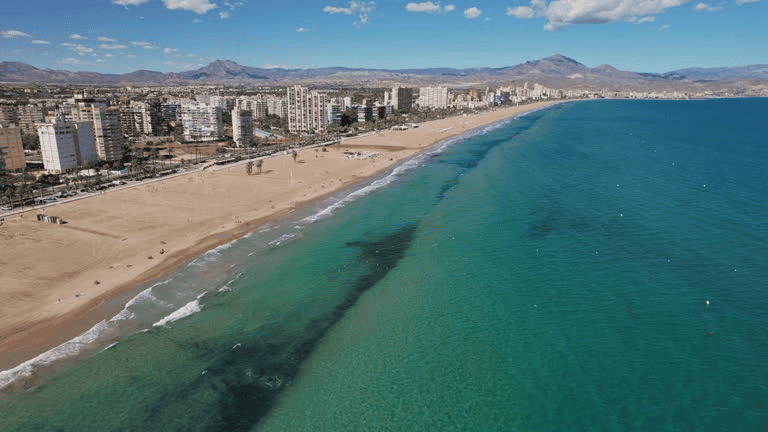
San Juan beach in Alicante with a long sandy shore, blue sea and palm promenade

Playa San Juan – A 7 km long sandy beach with 300 sunny days a year and sea temperatures up to 26°C in the summer

Quick Overview: The Seasons

  • Winter (Dec–Feb): Mild (12–17°C), great for golf/sightseeing, cold sea
  • Spring (Mar–May): Pleasant (19–23°C), nature in bloom, perfect for an active holiday
  • Summer (June–Aug): Hot (27–31°C), peak tourist season, ideal for swimming
  • Autumn (Sept–Nov): Warm sea (19–25°C), fewer tourists, great prices

January: A Mild, Sunny Winter

Day: 17°C Night: 6°C Sea: 15°C

January is Alicante's coldest month, but it remains incredibly mild compared to Northern Europe. Daytime temperatures can reach 16–17°C on clear days, though night frost (down to 2–3°C) can occur inland. The sea sits at 15°C – too cold for swimming for most people.

What to do: Perfect for sightseeing without the crowds. Visit Santa Bárbara Castle, stroll the Explanada, and explore the old town with zero queues. Golf courses are open and reasonably priced. Bring warm layers for the evenings.

Rainfall: ~20 mm, 4 rainy days. Sunshine: 6 hours/day.

February: Still Winter, but Days are Lengthening

Day: 17°C Night: 7°C Sea: 14°C

February is very similar to January in terms of temperature (averaging 12°C overall), but the days begin to lengthen, and there is even less rain (20 mm, 3 rainy days). The sea temperature drops to its annual low of 14°C – definitely not beach weather.

Activities: An ideal month for long-term winter escapes: it's quiet, cheap, and sunny. Many Northern Europeans rent apartments here for 1–3 months. The Alicante Carnival (late February/early March) features vibrant parades and street music.

Tips: Expect around 6.5 hours of sunshine per day. Soak up the vitamin D, but keep a jacket handy for when the sun goes down.

March: Spring Begins and Flowers Bloom

Day: 19°C Night: 8°C Sea: 14°C

March marks the true start of spring in Alicante. Temperatures rise to a comfortable 19°C during the day (8°C at night), almond and orange trees blossom, and sunshine increases to 7 hours/day. The sea remains cold (14°C), but the beaches start filling up with locals on weekends.

Events: Las Fallas in Valencia (March 19th, just 1 hour away) – Spain's most spectacular festival featuring giant sculptures that are set on fire. In Alicante, preparations for the summer Hogueras begin. A great time for excursions to Guadalest or the Algar Waterfalls before the summer heat hits.

Rainfall: 20 mm (3 days). Packing tips: A light jacket, sunglasses, and sunscreen.

April: Perfect Spring Weather

Day: 20°C Night: 10°C Sea: 16°C

April is one of Alicante's finest months: 20°C during the day, 8.5 hours of sunshine, green landscapes, and blooming flowers. The sea warms up slightly to 16°C – still brisk, but brave swimmers begin to take the plunge. Easter (Semana Santa) brings traditional processions, palm fronds, and local sweets like turrón.

Best for: Families with children (no extreme heat), cyclists, golfers, and hikers. The beaches are calm, hotel prices are reasonable, and restaurants are much easier to book than in summer. Excellent weather for a day trip to Tabarca Island.

Rainfall: 30 mm, 4 days. Sea: 16°C – a bit chilly, but manageable for a quick midday dip.

May: The Summer Vibe Starts Here

Day: 23°C Night: 13°C Sea: 18°C

May delivers summer weather without the oppressive heat: 23°C during the day, 9.5 hours of sun, and sea temperatures hitting 18°C – warm enough to swim without freezing. This marks the start of the high season for tourists wanting to avoid the peak crowds and prices of July and August.

Highlights: Preparations for Alicante's Hogueras festival, beach volleyball on San Juan, and outdoor concerts on the Explanada. Beach facilities (bars, lifeguards, playgrounds) open fully for the season. A fantastic time for golf before it gets too hot.

Rainfall: 30 mm, 4 days. Tips: Book your hotel well in advance – May is highly popular with British and German tourists.

June: Peak Season Kicks Off

Day: 27°C Night: 16°C Sea: 22°C

In June, Alicante officially transitions into full summer mode: 27°C during the day, 10.5 hours of sunshine, and a very pleasant sea temperature of 22°C. Las Hogueras de San Juan (June 20–24) takes over the city with monumental sculptures, fireworks, street parties, and midnight swimming on Midsummer's Eve (June 23).

What to expect: A bustling promenade, vibrant nightlife, and locals starting their holidays. Playa San Juan fills with families, and water sports clubs are operating at full capacity. Restaurants stay open late into the warm nights. The ideal month if you want a true holiday atmosphere with manageable heat.

Rainfall: Only 10 mm (virtually no rain). Sun protection: High UV index – bring SPF 50, a hat, and seek shade midday.

July: Hot, Intense Peak Season

Day: 30°C Night: 19°C Sea: 25°C

July is Alicante's second-hottest month (30°C day, 19°C night) with 11 hours of daily sunshine and almost zero rain (7 mm). With the sea at a glorious 25°C, it is absolutely perfect for swimming. However, keep in mind: this brings the highest prices, fully booked hotels, and peak crowds.

Pros: Guaranteed amazing weather, full energy in the city, lively beach clubs, nightclubs, and outdoor events. Cons: Crowded beaches (arrive early), very hot to walk around the city midday, expensive accommodation. Perfect for young adults and couples seeking nightlife and beach parties.

Tips: Book everything 2–3 months in advance. Drink plenty of water and embrace the Spanish tradition of an afternoon siesta (14:00–17:00).

August: The Hottest Month of the Year

Day: 31°C Night: 20°C Sea: 26°C

August is when temperatures peak: averaging 31°C during the day (can hit 35°C+ during heatwaves), 20°C at night, and the warmest sea water of the year (26°C – like stepping into a warm bath). The Spanish take their own summer holidays now, meaning some smaller local shops may close.

What you need to know: This is the most expensive and busiest month of the year. The beaches are packed from 10:00 to 18:00, but the evening atmosphere is incredible: street musicians, bustling chiringuitos (beach bars), and intense nightlife. A paradise for heat lovers, but it can be exhausting for families with small children.

Rainfall: 13 mm, only 4 rainy days. Recommendation: Do all your sightseeing early in the morning or after 18:00.

September: The Golden Month for Sun Seekers

Day: 28°C Night: 17°C Sea: 25°C

September is widely considered the absolute best month to visit by travel experts: it is still very warm (28°C), the sea is at its warmest right after August (25°C), but the tourist crowds drop significantly as schools reopen across Europe. Hotel prices often drop by 20–30% compared to August.

Why September is perfect: Quieter beaches, easier to get a table at top restaurants, and very pleasant temperatures for excursions (Guadalest, Algar Waterfalls, Tabarca). The sea remains wonderfully warm through the entire month. It is also an excellent time for golf, cycling, and inland wine festivals (vendimia).

Rainfall: Increases to about 37 mm (6 days), but the rain usually falls as short, intense showers rather than prolonged drizzle.

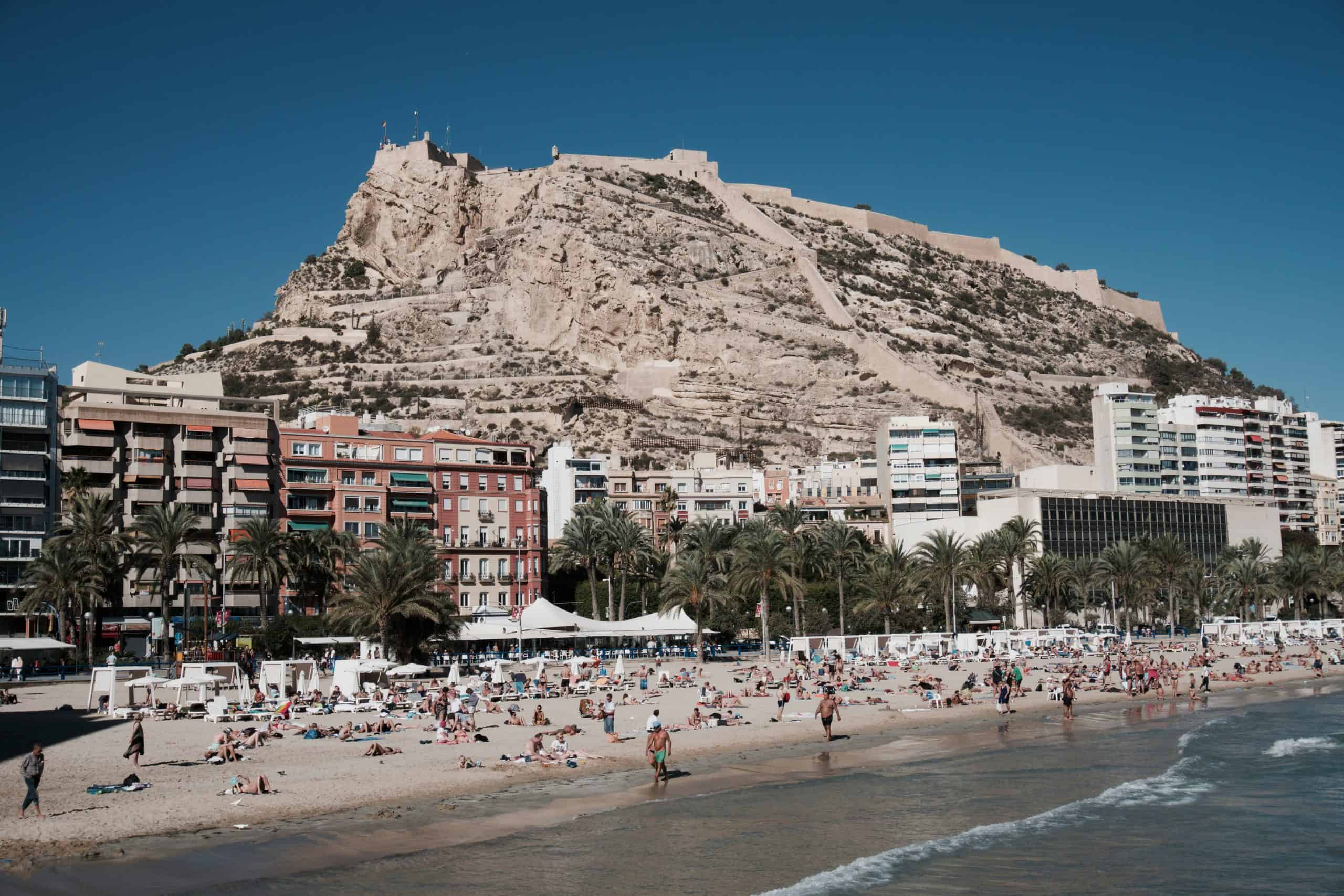
Postiguet beach in Alicante city center with golden sand and Santa Bárbara castle in the background

Postiguet – The city beach is at its absolute best in September and October when crowds thin out

Tabarca Island near Alicante with crystal clear turquoise water, rocky coast and snorkeling

Tabarca Island – The water is most enjoyable between June and September (22-26°C)

October: The Pearl of Autumn

Day: 24°C Night: 14°C Sea: 22°C

October is technically the wettest month of the year (45–67 mm of rainfall), but it is still warm and sunny enough for a beach holiday. With a daytime high of 24°C and a sea temperature of 22°C, swimming is still very pleasant, especially early in the month. This month offers excellent value for money: low prices, few tourists, and a highly authentic Spanish vibe.

What to experience: Locals return to the beaches on weekends, restaurants switch to their autumn menus (grilled octopus, hearty fideuà), and the cultural season (theaters, museums, concerts) kicks off. A fantastic time for couples and retirees looking to avoid the intense summer heat and large family crowds.

Weather risk: Weather phenomena called "DANA" (cold drops) can occasionally cause heavy downpours lasting 1–2 days. Keep an eye on the forecast before planning long excursions.

November: Late Autumn with Mild Weather

Day: 20°C Night: 10°C Sea: 19°C

By November, the swimming season is over for most people: roughly 20°C in the air during the day and 19°C in the water. However, it is still mild enough for golf, sightseeing, and hiking – making it a favorite for tourists looking to escape the grey, freezing weather of Northern Europe.

Activities: Hike in the Sierra de Aitana mountain range, shop for local autumn delicacies at the Mercado Central, and watch the city slowly prepare for Christmas towards the end of the month. The golf courses are green, lush, and offer great off-peak green fees.

Rainfall: 39–46 mm (approx. 10 rainy days) – packing a light umbrella is a smart move.

December: Christmas Under the Palm Trees

Day: 17°C Night: 7°C Sea: 16°C

December brings the winter chill (around 17°C daytime, 7°C night), which is still vastly warmer than the UK or Scandinavia. The sea cools to 16°C, meaning swimming is strictly for the brave. The city is defined by cozy Christmas markets, grand New Year's fireworks by the harbor, and long-term winter visitors.

Christmas in Alicante: Beautiful light displays along the Explanada, traditional nativity scenes (belenes), rich festive treats (the famous turrón is produced in nearby Jijona), and the New Year's Eve tradition of eating 12 grapes at midnight. The atmosphere is peaceful, genuinely Spanish, and completely devoid of mass tourism.

Rainfall: 36 mm, approx. 12 rainy days. Packing tips: Bring a warm sweater for the evenings and a light rain jacket.

Sea Temperature Year-Round

The Mediterranean Sea off Alicante varies significantly; from a chilly 14°C in February to a glorious 26°C in August. Water under 18°C is considered "fresh", between 20–24°C is "pleasant", and anything above 25°C is "ideal".

Month Sea Temp (°C) Rating Recommendation
January 15°C ❄️ Cold For winter swimmers only
February 14°C ❄️ Coldest No swimming
March 14°C ❄️ Cold Too early for a dip
April 16°C 🌊 Fresh The bravest begin to swim
May 18°C 🌊 Fresh Manageable for those used to cold water
June 22°C ✅ Pleasant Beach season officially starts
July 25°C 🏖️ Ideal Perfect swimming temperature
August 26°C 🏖️ Warmest Feels like a warm bath
September 25°C 🏖️ Ideal Still fantastic swimming conditions
October 22°C ✅ Pleasant Great during the first half of the month
November 19°C 🌊 Fresh Too cold for most people
December 16°C ❄️ Cold Beach season is over

Source: Weather2Travel, SeaTemperature.net

The Best Time to Travel to Alicante

Which month is "best" depends entirely on what you want: beach weather, cheap prices, low crowds, or specific activities. Here are our recommendations based on different travel styles:

🏖️ For Sun & Sea: June, September, Early October

June: Warm without being unbearable (27°C), the sea is 22°C, and there are fewer tourists than in peak summer. September: The absolute perfect combination of a warm sea (25°C), affordable prices, and quieter beaches. Early October: Still around 24°C and swimmable, ideal if you want to completely avoid school holiday crowds.

👨‍👩‍👧‍👦 For Families with Children: May, June, September

Avoid July and August if you are traveling with small children (it gets too hot, crowded, and expensive). May: Lovely warmth, beach facilities open, and reasonable prices. June: Beat the mid-summer school holiday rush. September: Schools have restarted in Europe, but the sea is still warm enough for kids to play in all day.

⛳ For Golf, Cycling, and Hiking: April, May, October, November

The temperatures are perfect for physical activity (18–24°C), golf courses are lush, and the mountains are beautiful. April–May: Spring is in the air, nature is blooming. October–November: Autumn colors, the wine harvest season in the Jumilla/Yecla region, and uncrowded hiking trails.

💰 For Budget Travelers: November–March (excluding Christmas/New Year)

Hotels are typically 30–50% cheaper compared to the summer. This is an optimal period for retirees, snowbirds, and digital nomads looking for long-term rentals. The climate is mild enough for lovely outdoor activities, though sadly too cold for swimming.

🎉 For Festivals and Culture Lovers

  • February–March: Carnival and Las Fallas (in Valencia, just 1 hour away).
  • June 20–24: Hogueras de San Juan (Alicante's largest and most important festival).
  • August: Moros y Cristianos (historical festivals in the surrounding towns).
  • December: Atmospheric Christmas markets and magnificent New Year's fireworks.

Frequently Asked Questions (FAQ)

When is the best time to visit Alicante?

May, June, September, and October are widely considered the best months: air temperatures hit a lovely 20–28°C, the sea is swimmable (20–25°C), there are fewer tourists, and hotel prices are often 20–30% lower than in July and August. June and September are particularly highly recommended for families.

How warm is it actually in Alicante during the winter?

From December to February, daytime temperatures hover around 12–17°C, dropping to 6–8°C at night. It is very mild compared to Northern Europe, making it an excellent climate for sightseeing, golfing, and long-term stays. However, the sea water is cold (14–15°C), so it is not beach season.

How warm is the sea in Alicante, and when can you swim?

June–September: 22–26°C (ideal swimming temperature). May and October: 18–22°C (a bit fresh, but often pleasant if the sun is shining). November–April: 14–19°C (perceived as too cold for the vast majority). The absolute warmest water is recorded in August (26°C).

Does it rain often in Alicante?

No, Alicante is one of the driest cities in all of Europe. During July and August it barely rains at all (7–13 mm). The period of October–November is the rainiest of the year (45–67 mm), but this still only amounts to about 10–12 days with some rain per month. Often, the rain falls in brief but intense showers.

Does it get too hot in Alicante during July and August?

It entirely depends on how well you handle the heat: it usually sits around 30–31°C during the day and 19–20°C at night. This is wonderful if you truly love sun and sea. However, for small children and the elderly, it can be quite challenging. A good tip is to head to the beach early, take a siesta in the afternoon (14:00–17:00), and drink plenty of water. Alternatively, travel in September when the worst heat has subsided.

Can you really swim in Alicante during May?

Yes, you can, even though the water is still a bit cool (approx. 18°C). Many tourists from Northern Europe find this perfectly fine for swimming, especially in the middle of the day when air temperatures often reach 23–25°C. It's great for those who like to swim actively, but it might be a bit too chilly for young children to sit and play in the water for long periods.

What should I pack for a trip to Alicante?

Summer (June–Sept): Light summer clothes, swimwear, a sun hat, good sunscreen (SPF 50), and sunglasses. Spring and Autumn (Apr–May, Oct–Nov): Bring a light jacket for the evenings, plus a few long-sleeved tops. Winter (Dec–March): Pack a warm sweater, a proper jacket, and long trousers – but don't forget your sunglasses! The sun shines often in Alicante, regardless of the season.

Is the climate in Alicante better than in cities like Málaga or Valencia?

Alicante generally has slightly warmer summers compared to Valencia (often a 1–2°C difference), and both Alicante and Valencia are drier than Málaga. Málaga, on the other hand, experiences slightly milder winters. What all three cities share, however, is boasting over 300 sunny days a year. Your choice of destination should primarily be based on what you want to experience and the vibe you're looking for – the climatic differences are marginal.

Updated: February 2026. Climate data is based on the 30-year average (1991–2020), with statistics sourced from Weather2Travel, ClimatestoTravel, and SeaTemperature.net. Numbers can naturally vary somewhat from year to year (often by ±2–3°C). The images in this guide are from Unsplash (free for commercial use).

Scroll to Top